Mar 7, 2025
Using Mockups to Strengthen Your Branding Portfolio
Updates
Pro Tips
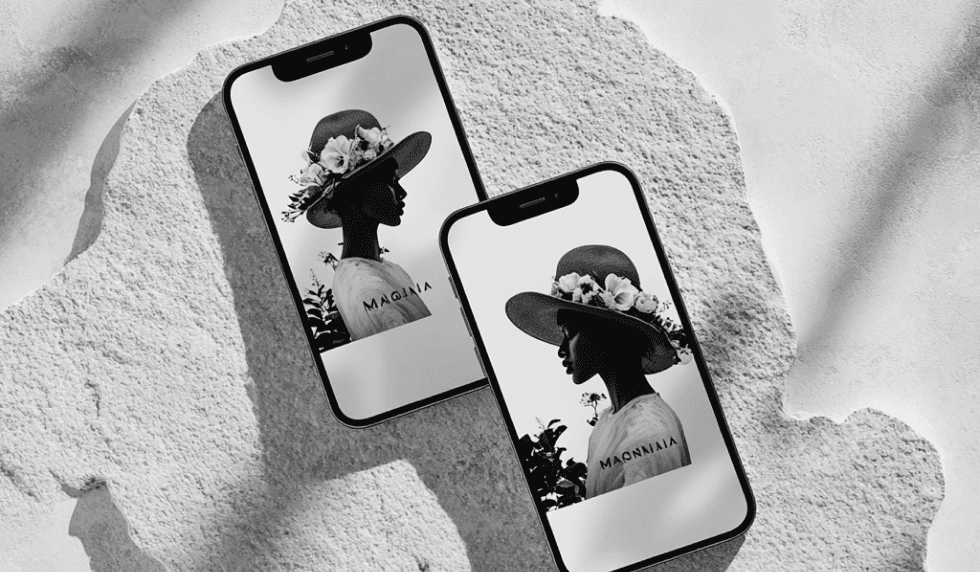
A strong branding portfolio is more than a collection of beautiful designs-it’s a storytelling tool that shows how your work lives and breathes in real-world environments. This is where mockups become invaluable. By placing your designs in context, mockups help clients envision the experience of interacting with a brand, making your work more compelling, relatable, and memorable.
Mockups aren’t just decorative assets; they are strategic presentation tools. When used intentionally, they elevate your projects and demonstrate your understanding of application, usability, and brand impact.
1. Why Mockups Matter for Branding Designers
Mockups serve as the bridge between concept and reality. They give life to your identity systems, packaging, websites, marketing materials, and environmental graphics. More importantly, they help your portfolio communicate practical value.
Here’s what mockups help you showcase:
Real-world usability
Brand personality and mood
Attention to detail
Versatility across touchpoints
Professional presentation quality
Clients often struggle to imagine how flat designs translate to everyday applications. Mockups remove that uncertainty by transforming a static layout into a vivid, realistic presentation. This alone can significantly increase the perceived value of your work.
2. Choosing the Right Mockups for Your Portfolio
Not all mockups are created equal. The best mockups enhance your work without overshadowing it. When selecting mockups, consider the following factors:
Authenticity – Choose environments that feel natural and believable.
Relevance – Use settings that align with the brand’s audience and industry.
Consistency – Maintain a cohesive visual style across your portfolio.
Quality – High-resolution, well-lit, and professionally crafted mockups make a major difference.
For example, minimalist skincare branding will shine in clean, neutral mockups with soft lighting, while bold beverage branding might benefit from dynamic, high-energy product shots.
A helpful guideline to remember:
“Great mockups support the design, not steal the spotlight.”
3. Using Mockups to Tell a Stronger Brand Story
Mockups allow your portfolio to move beyond aesthetics and into storytelling. They help illustrate how a brand communicates across moments—on shelves, screens, packaging, interiors, or merchandise.
You can use mockups to highlight:
Before-and-after transformations
Brand systems across multiple applications
User interaction with products or interfaces
Scale, texture, and materiality
A powerful approach is to showcase a brand system in a sequence: logo → packaging → website → environment. This creates a narrative flow that elevates the professionalism of your case study.
4. Best Practices for Integrating Mockups into Your Case Studies
To get the most out of mockups, integrate them thoughtfully. Consider these recommendations:
Use consistent lighting and tone across all visuals.
Avoid overly stylized or unrealistic scenes.
Pair mockups with clear explanations or captions.
Keep the layout clean so the design remains the focal point.
Mix close-up shots with wider contextual scenes.
One effective method is to combine mockups with a brief explanation of your design choices:
“We selected a tactile, earthy color palette to reflect the brand’s natural ingredients, complemented by soft packaging shadows to convey calmness and purity.”
This reinforces your design rationale and helps clients understand your process.
5. How Mockups Improve Client Perception
Mockups significantly enhance the professionalism of your portfolio. They communicate not just what you designed—but how it works, how it feels, and how it solves real problems. This reduces hesitation and builds trust with clients, making your work appear more polished and market-ready.
Ultimately, mockups give your portfolio depth, clarity, and emotional impact. They strengthen your storytelling, elevate presentation quality, and make your branding work more persuasive.